位于 Fos-sur-mer 的太阳能 gigafactory 项目宣告终止,不仅对光伏行业造成冲击,也再次暴露出“工业主权”愿景与市场现实之间的巨大落差。
这起事件的象征意义很强:法国希望在关键产业上重建本土制造能力,减少对外依赖,但太阳能产业的竞争格局、成本压力和全球供应链优势,正在不断削弱这种政策雄心的可行性。Carbon 项目的结束,说明即便在被视为战略性的清洁能源领域,单靠政治意愿和产业规划,也难以抵消市场端的结构性约束。
Solaire : ce que la fin de Carbon dit des difficultés de la souveraineté industrielle
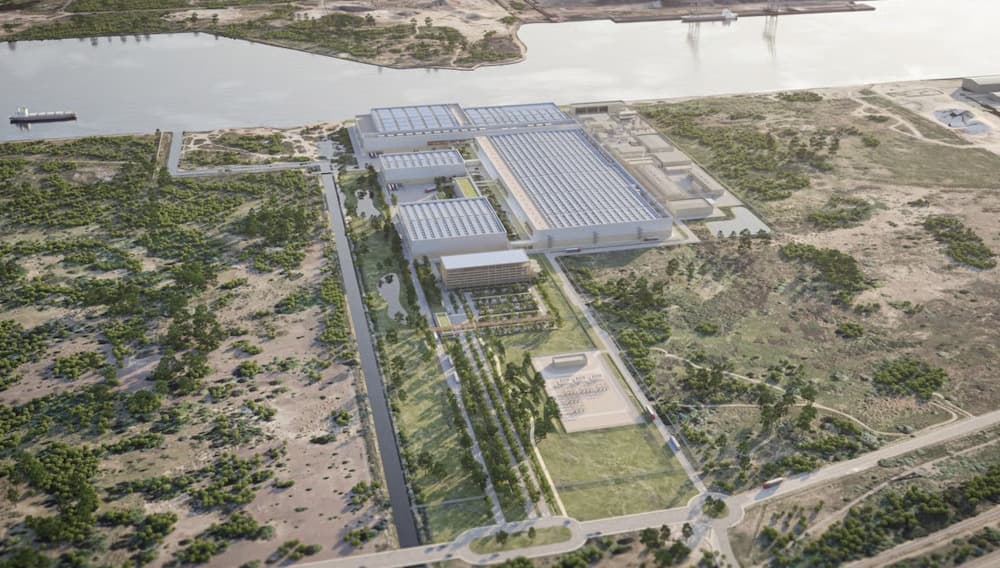
位于 Fos-sur-mer 的太阳能 gigafactory 项目宣告终止,不仅对光伏行业造成冲击,也再次暴露出“工业主权”愿景与市场现实之间的巨大落差。
这起事件的象征意义很强:法国希望在关键产业上重建本土制造能力,减少对外依赖,但太阳能产业的竞争格局、成本压力和全球供应链优势,正在不断削弱这种政策雄心的可行性。Carbon 项目的结束,说明即便在被视为战略性的清洁能源领域,单靠政治意愿和产业规划,也难以抵消市场端的结构性约束。
The end of the planned gigafactory project in Fos-sur-Mer is more than a setback for the solar sector: it also highlights the gap between France’s industrial sovereignty ambitions and market realities.
Carbon’s abandoned project had become a symbol of efforts to rebuild domestic manufacturing capacity in strategic industries, particularly solar. Its failure underscores how difficult it is to turn political will into viable industrial projects when confronted with competition, financing constraints, and the economics of global markets.
L’annonce de la fin du projet de gigafactory à Fos-sur-mer ne secoue pas que le secteur du solaire. Elle illustre aussi comment la volonté de souveraineté industrielle se heurte à des réalités de marché.
The planned solar gigafactory project in Fos-sur-Mer is being ended, highlighting how industrial “sovereignty” ambitions collide with market economics.
Solaire (sector coverage) — Solar industry context, France.
Carbon (project/initiative referenced) — Industrial gigafactory effort being discontinued, France (Fos-sur-Mer).
[Monitor] — Watch for follow-on policy, alternative investments, and impacts on French/EU solar supply and pricing.
No companies linked yet